Understanding Stroke: Warning Signs and Recovery
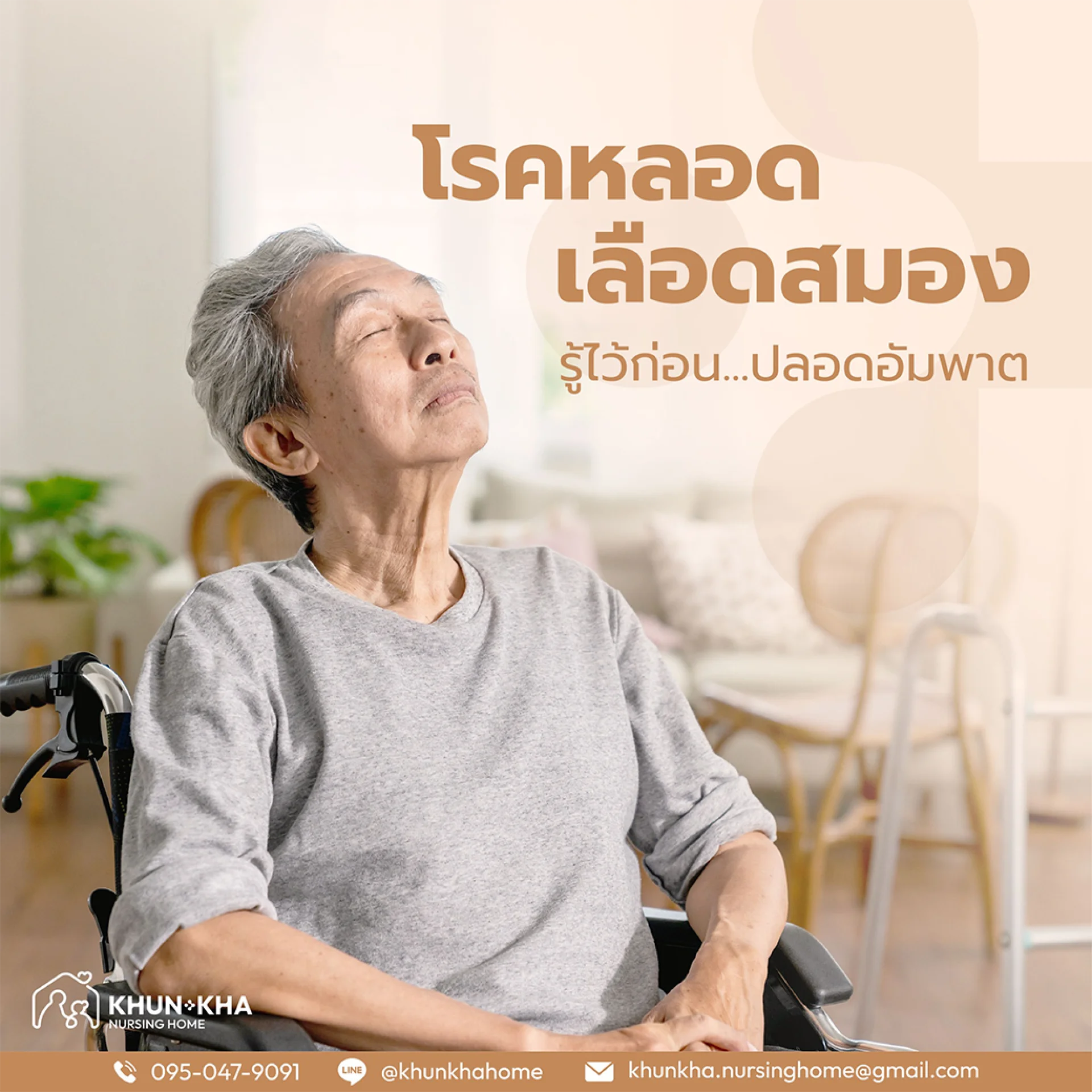
A stroke occurs when blood flow to the brain is interrupted by a blockage or when a blood vessel in the brain ruptures. It is a medical emergency because brain injury can develop quickly. If you suspect a stroke in Thailand, call emergency medical services on 1669 immediately. Do not wait for the symptoms to improve.
This article provides general information. It does not diagnose a condition or replace advice from a physician or care team.
Stroke warning signs
Symptoms usually begin suddenly. They may include facial drooping, weakness or numbness on one side, unclear speech, difficulty understanding speech, a sudden change in vision, dizziness, loss of balance, or a severe unexplained headache. Symptoms that disappear after a short time still need urgent assessment because they may indicate a transient ischaemic attack.
What to do if you suspect a stroke
- Note when the symptoms began or when the person was last known to be well.
- Call 1669 and describe the changes clearly.
- Keep the person in a safe position and monitor breathing.
- Do not give food, drink, aspirin or other medicines unless emergency professionals advise it.
- Prepare a medicines list, medical history, allergy information and family contact details.
Rehabilitation after the person is medically stable
The World Health Organization describes rehabilitation as a critical part of stroke care. The plan should be tailored to the persons abilities, risks and goals. It may involve physiotherapy, occupational therapy, speech and swallowing support, cognitive rehabilitation and emotional support.
Rehabilitation cannot guarantee a complete return to previous function. Its purpose is to support safe movement, communication, daily activities and the greatest appropriate level of independence.
How families can support recovery
- Follow the hospital discharge plan, medicines instructions and review appointments.
- Keep walking routes clear and use mobility aids recommended by a qualified professional.
- Support regular practice without forcing activity through pain or severe fatigue.
- Watch for swallowing difficulty, coughing during meals, weight loss, pressure injuries, falls and significant mood changes.
- Record changes and questions to discuss with the care team.
Frequently Asked Questions
Does everyone recover from stroke at the same rate?
No. Recovery varies with the location and severity of the stroke, previous health, complications and response to rehabilitation. The care team can help set realistic goals for the individual.
When should rehabilitation begin?
It should begin when the treating team considers the person medically stable and the activity safe. A demanding exercise programme should not be started without assessment, especially when heart, balance or swallowing problems are present.
Do symptoms still require emergency care if they disappear quickly?
Yes. Sudden neurological symptoms should be treated as an emergency even if they improve, because they may indicate a transient ischaemic attack or another stroke.
Plan calm, continuous care after hospital discharge
Khunkha Nursing Home supports daily care, safe mobility and rehabilitation based on plans from physicians and rehabilitation professionals. Families planning non-emergency care may arrange a visit and discuss general needs on 095-047-9091. This number is not an emergency service.
Sources