Fall Prevention Checklist After Hospital Discharge
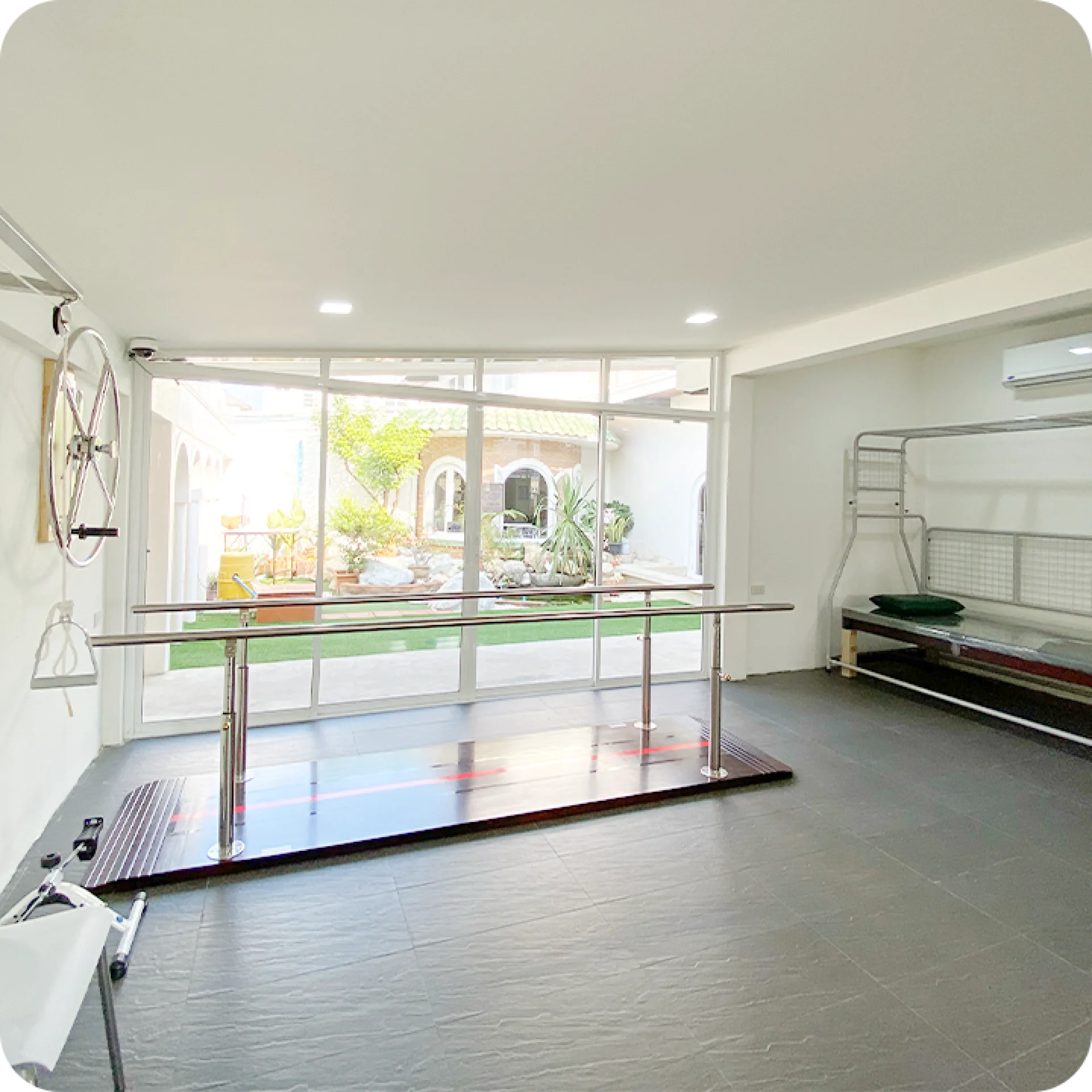
During the first weeks at home, an older adult may still be weak, adjusting to new medicines or learning to use a walking aid. Fall risks may therefore be different from before the illness. Falls are not an inevitable part of ageing, and many risk factors can be addressed.
Guidance from CDC STEADI and the National Institute on Aging recommends considering medicines, mobility, vision, strength and environmental safety together.
1. Review the discharge plan and medicines
Prepare a complete list of prescription medicines, over-the-counter products and supplements for a doctor or pharmacist to review. Report new drowsiness, dizziness, confusion or unsteadiness. Medicines should not be stopped or reduced without professional advice.
2. Check mobility and walking aids
Ask whether a cane or walker is recommended and how it should be used. Incorrectly sized equipment may make walking less stable. A physical or occupational therapist can assess gait, strength and safety within the home.
3. Make walking routes safer
- Remove loose rugs, cables and clutter.
- Improve lighting in hallways, bathrooms and on stairs.
- Keep bathroom floors dry and install suitable grab bars.
- Place frequently used items within easy reach.
- Keep the route between the bed and bathroom clear at night.
4. Check vision, hearing, feet and footwear
Changes in vision or hearing, painful feet and loose or slippery footwear may contribute to falls. Choose well-fitting, closed-back shoes with nonslip soles and seek professional advice when vision, hearing or foot problems change.
5. Rebuild strength and balance safely
Strength and balance activities can form part of a fall-prevention plan, but the type and intensity should match the persons condition and medical advice. Supervision may be appropriate during early recovery.
6. Prepare a response plan
Keep a phone or call device within reach and record falls or near-falls for the care team. Seek urgent help after a head impact, loss of consciousness, severe pain, inability to stand, or new weakness or speech difficulty.
Frequently Asked Questions
Should an older adult rest in bed after leaving hospital?
This depends on the condition and discharge plan. Prolonged inactivity can contribute to weakness, so families should ask which activities can be resumed safely.
Should the family buy a walker immediately?
A professional assessment is preferable because the type, height and technique should suit the individual.
Should a fall be reported if there is no obvious injury?
Yes. A fall may signal a problem involving medicines, blood pressure, vision or balance and should be discussed with the care team.
Plan supportive care after hospital discharge
Families who would like help planning post-hospital care and rehabilitation may contact Khunkha Nursing Home for general information and an initial care assessment.
This article provides general education, is not intended to diagnose a condition, and does not replace individualized advice from a qualified health professional.